

Railway Coal Wagon Open Top Wagon
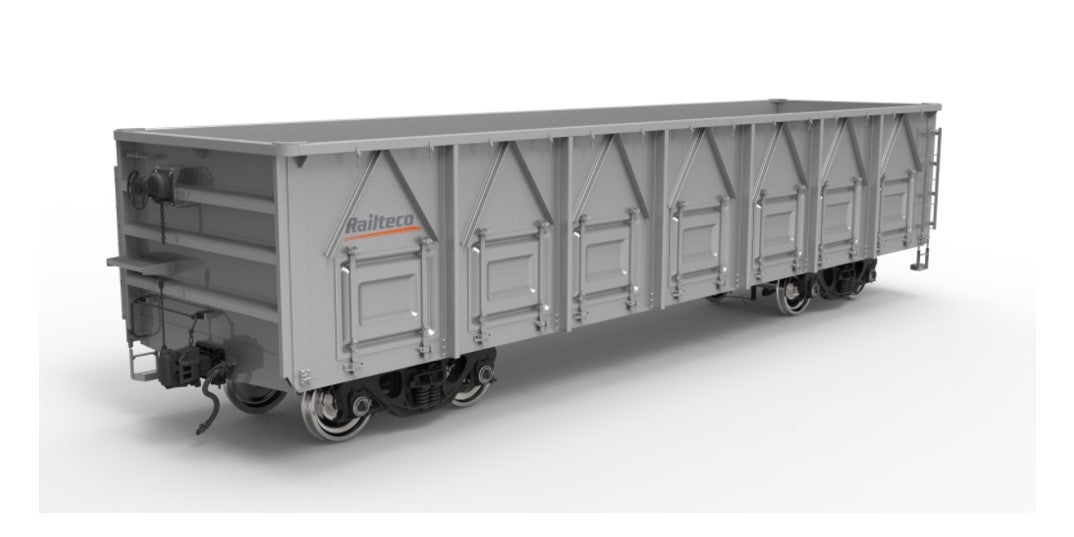
A railway open top wagon (also known as an open wagon, gondola, or coal wagon) is a type of freight car characterised by having no roof and, typically, sides that extend above the floor. The wagon is mainly used for the transportation of coal, ore, building materials, machinery and equipment, steel and timber. In addition to the manual unloading it can also adapt to the mechanical unloading operations of a tipper.
Key design features
- Open top: the defining feature, allowing for fast, efficient loading by overhead cranes, grab buckets, or conveyor systems.
- Flat bottom: the most common type. The floor is flat and requires the wagon to be unloaded from above by a grab, pushed out by a plough (tippler unloading), or unloaded from the side by opening doors.
- Hopper bottom: the floor slopes inward towards one or more openings on the bottom. Gravity is used to unload the material quickly onto trackside conveyor belts or into pits. These are highly efficient for free-flowing materials like grain, coal, or aggregates.
Main parameters
- Tare weight: 23t
- Load capacity: 61t
- Axle load: 21t
- Track gauge: 1435mm (can customise)
- Volume capacity: 73.3m3