
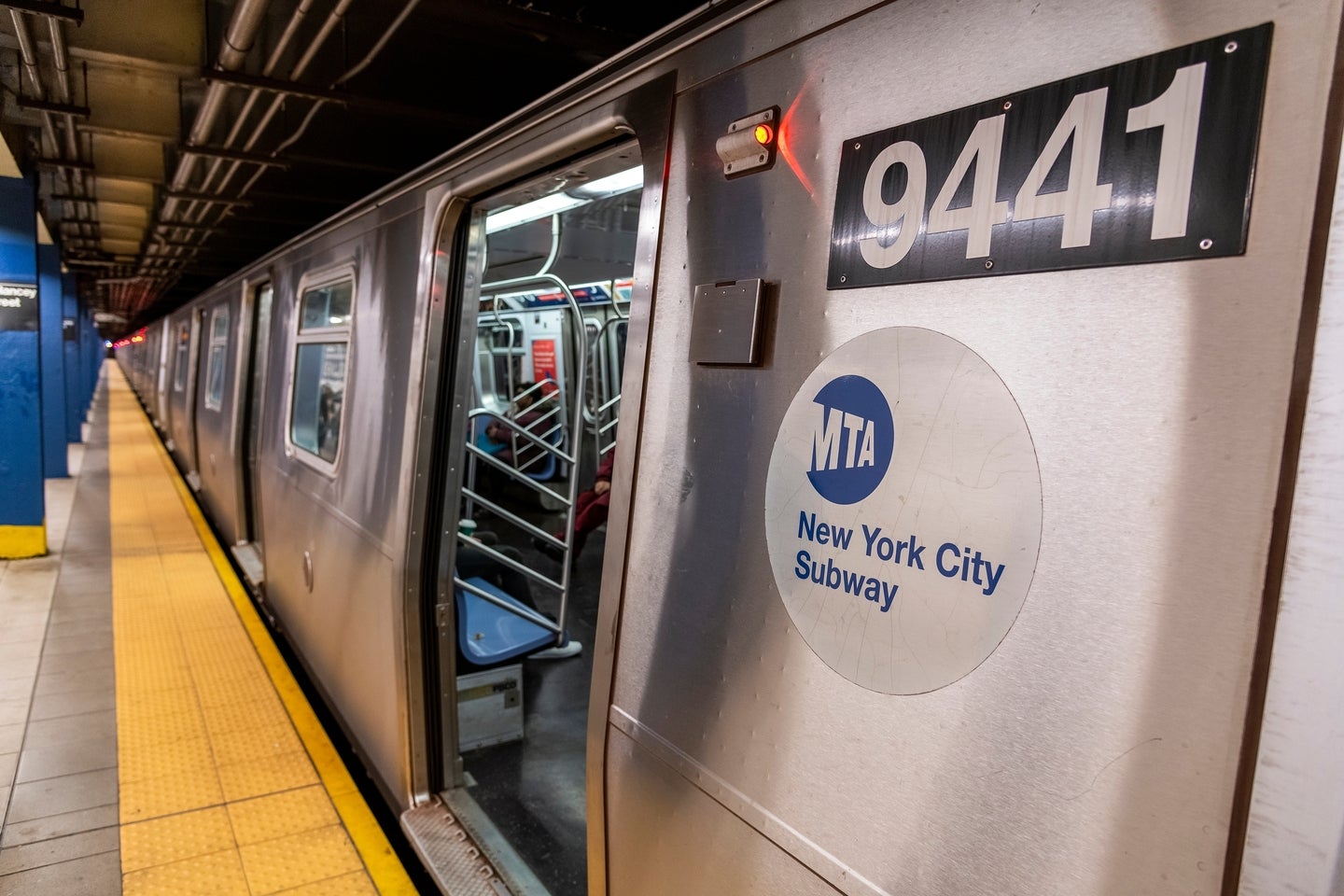
New York’s Metropolitan Transportation Authority (MTA) has released its budget expectations for the next five years in its July financial plan, balancing the books across the period for the first time in over 20 years, after a citizens watchdog group warned it could reach a $900m deficit in 2029.
The financial plan reverses previous projections which would have seen the organisation operate with a $1.88bn deficit in 2027 and includes a goal of finding $500m in annual savings, beginning in 2025 when the authority is expecting to find an extra $100m in operating efficiencies.

Discover B2B Marketing That Performs
Combine business intelligence and editorial excellence to reach engaged professionals across 36 leading media platforms.
Chief financial officer Kevin Willens said: “The best way to avoid a fiscal cliff is to have a balanced budget solution with new dedicated revenue streams, find areas to be more efficient and continue to bring riders back.
“The revenue generated from new dedicated taxes, a modest increase in tolls and fares and identifying operational efficiencies will keep the budget balanced through 2027.”
The plan comes after the Citizens Budget Commission (CBC) released its analysis of the MTA’s financial future and projected a budget gap of over $900m based on projections “once the benefit of federal COVID-related [funds] is exhausted”.
The CBC said that the authority’s reliance on public revenue sources, including a $1.1bn annual increase in the Payroll Mobility Tax, did not address the structural operating budget gap.
This was said even though the new plan was sufficient to “nearly balance” the budget for the next five years: “CBC’s analysis clearly identifies the existence and approximate magnitude of the long-run structural gap that will reemerge after the financial plan’s window.”
While the MTA had previously operated on a budget gap, the issue was widened by low ridership during the pandemic and an increase in fare evasion.
In response to the CBC’s analysis, MTA’s chief of external relations Josh McCarthy released a statement saying: “It seems reckless to speculate about unknown numbers years after the end of the financial plan, assuming that expenses will rise faster than revenues without actual data.”
Additionally, the MTA’s financial plan includes a number of proposals to generate additional revenue or operate more efficiently, such as a 5.5% toll increase and a 4% fare increase which is expected to take effect next month and the use of predictive algorithms to increase maintenance efficiency.
MTA chair and CEO Janno Lieber said the authority would also use the opportunity presented by the balanced budget to work on “transformative capital projects”, which include: “To make the entire subway system ADA accessible, to transition to a zero-emissions bus fleet and to bring all MTA systems much closer to an industry-standard state of good repair.”
The MTA is a public benefit corporation that covers New York City’s public transport network carrying over 11 million daily weekday passengers.
The organisation covers 19 commuter rail routes and 26 rapid transit routes including the New York Subway system.


