
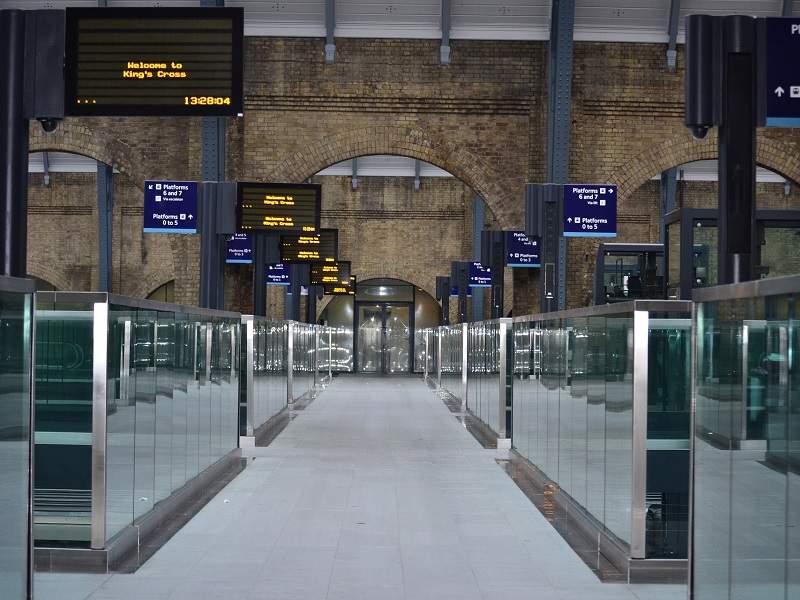
Rail fares in the UK are predicted to rise by 3.5% from January 2019 as a consequence of growing inflation over the past few months.
The precise extent of the increase, which is to be announced on Wednesday by the Office for National Statistics, will be decided based on the Retail Prices Index, a measure of inflation used by the Department for Transport (DfT). Fares saw their biggest increase of the last five years in January 2018 when they rose by 3.6%.
Go deeper with GlobalData

Discover B2B Marketing That Performs
Combine business intelligence and editorial excellence to reach engaged professionals across 36 leading media platforms.
The threat of a further rise has triggered unhappiness among commuters and campaigners, who have urged the UK Government to freeze rail fares and use the Consumer Prices Index (CPI) – an alternative measure of inflation – to determine the increase. The CPI tends to be lower than the Retail Prices Index, as it does not consider the cost of mortgage payments.
A spokesperson for the DfT said: “Any fare increase is unwelcome, but it is not fair to ask people who do not use trains to pay more than those who do.”
The expected rise in fares is likely to affect both ‘anytime’ and ‘off-peak’ tickets, as well as season ticket prices in both England and Wales. If the fares increase goes ahead, an annual season ticket from Cambridge to London stations, for example, could jump by £173 to £5,125.
Rail fares in the UK have been at the centre of public and government debate ever since May this year, when an overhaul of timetables led to hundreds of train cancellations every day and disruption across the country.
While some franchises managed to introduce reduced services across their networks, this weekend operator Northern faced criticism for cancelling 80 services from Liverpool, Lancashire and Great Manchester, from a total of 15,000.
Prime Minister Theresa May was recently asked to freeze rail fares on the routes that have been worst affected by disruption, namely those operated by Govia Thameslink, Arriva Rail North and First TransPennine Express.
A similar request was issued by the Campaign for Better Transport, which asked the government to freeze fares. A spokesperson said: “Given the mess surrounding the new timetable, the lack of improvements and the failure to deliver compensation, the government cannot go on telling passengers that fare increases are justified.” Commuters have expressed further anger after consumer group Which? found that rail fares have seen a 40% increase since 2008, over one-and-a-half times higher than the rise in CPI inflation over the same period.
A survey by the watchdog also found that the rail industry is the UK’s second least-trusted consumer industry, with customer satisfaction registered to have dropped from 72% to 62% in the space of 10 years. Confidence in train companies has also fallen, with only 23% of passengers surveyed claiming to trust rail operations.
Which? has now called for automatic compensation for delays to be introduced across the entire network, saying that customers often complain about excessively complex procedures to make claims.


