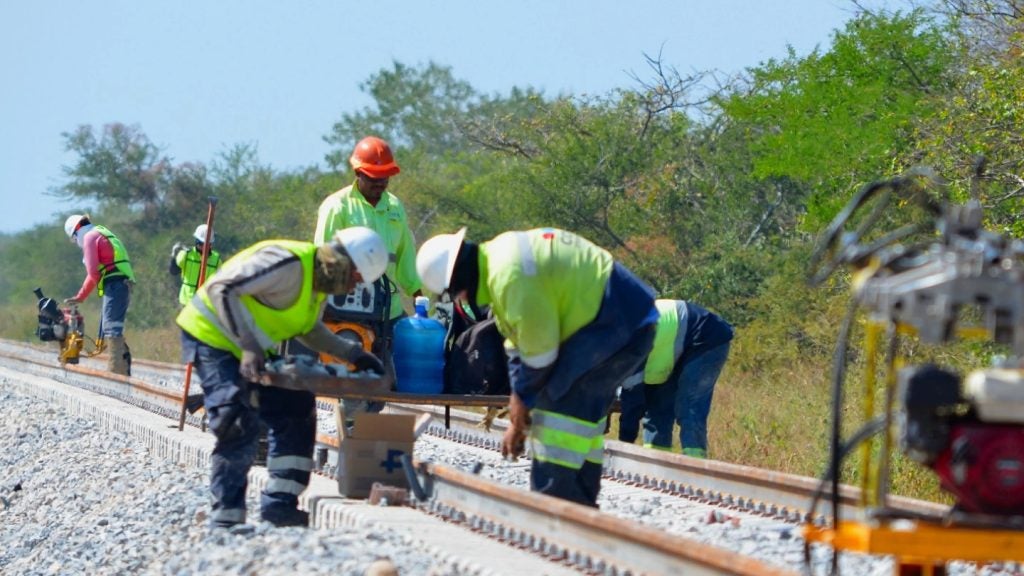

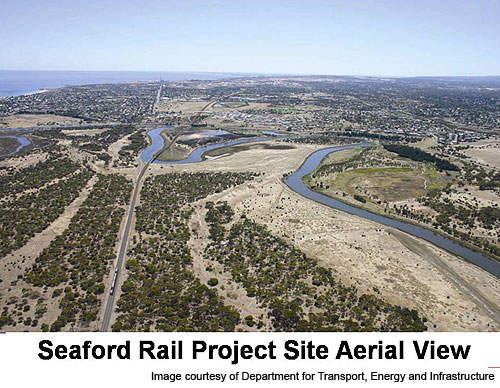
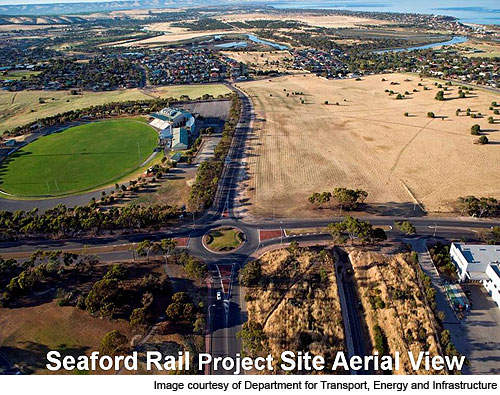
Construction of the 5.7km rail extension between Noarlunga Centre Railway Station and Seaford District Centre began in January 2011.
The project is fully funded by the Australian Government and is part of the $2bn public transport investment of the South Australian Government. The project employed more than 400 people over four years of construction.
Recommended White Papers

Recommended Buyers Guides

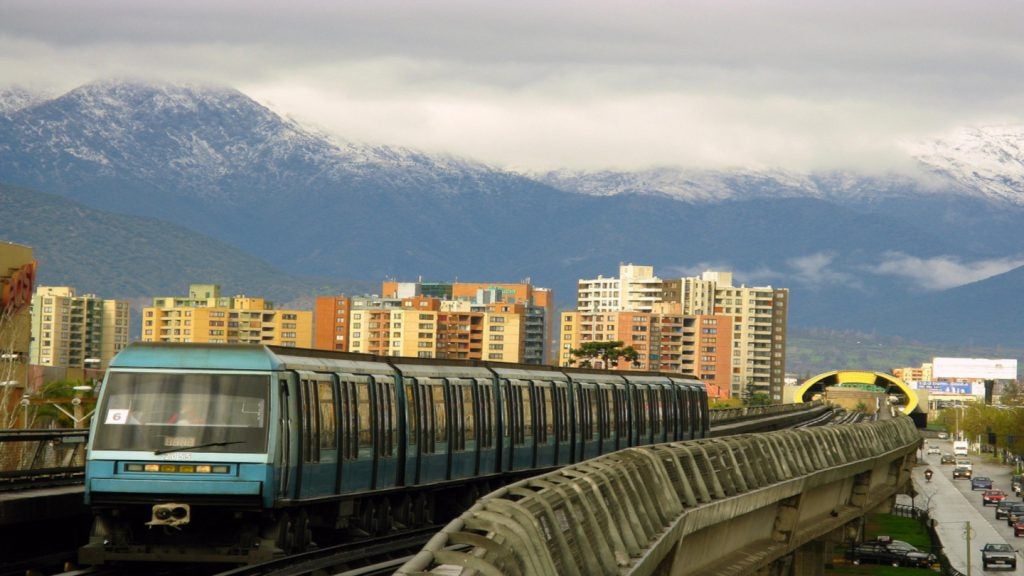
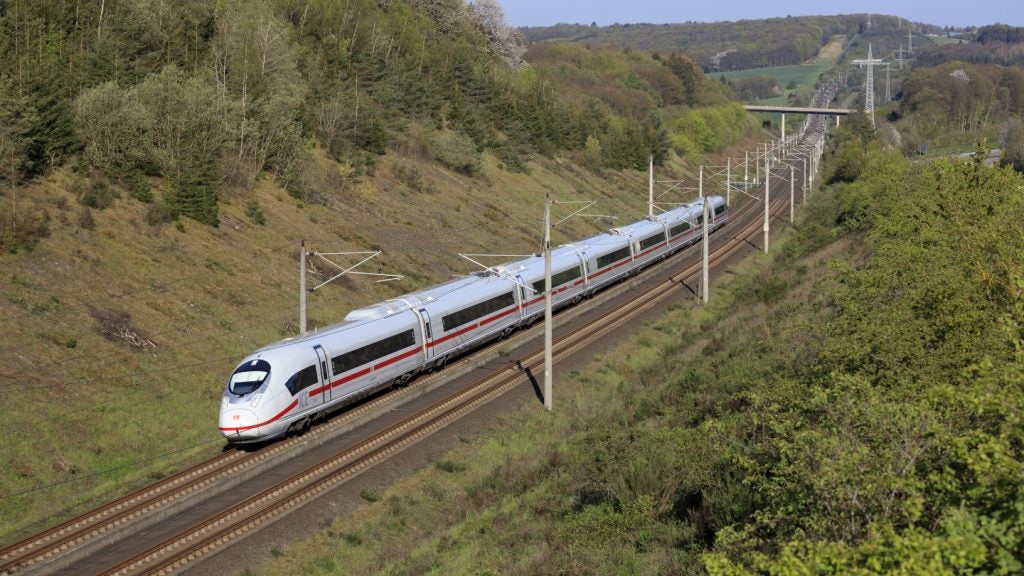
The extension improves rail services in the Adelaide region. It also reduces the travel time and pollution as the number of cars using the road network is expected to decrease as a result of the expansion. Passenger services on the new line began in February 2014.
The expansion plan of Seaford rail was opposed by Kaurna National Cultural Heritage Association. It argued that the rail bridge over the Onkaparinga River destroys the ancient site.
Project details
The southern suburbs of Adelaide are facing challenges due to an increase in population within the Onkaparinga South Coast area.
The South Australia Government, therefore, released a strategic infrastructure plan in March 2005, which included the Seaford expansion project.
The project involved extension of the rail line from Noarlunga Centre Railway Station to the Seaford District Centre by 5.7km.
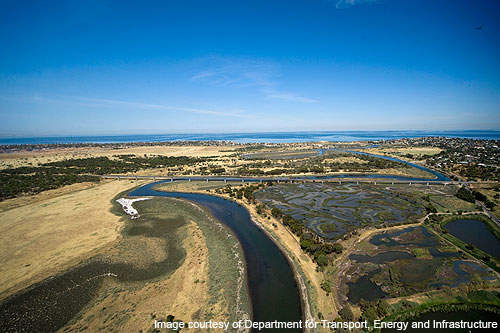
The part of the project involving the construction of 5.5km of dual rail track from Noarlunga to Seaford was completed at a cost of $291m. The line extends beneath Goldsmith Drive to Onkaparinga Valley estuary, and crosses over Old Honeypot Road. From here, the tracks cross Onkaparinga Valley estuary and run adjacent to Sauerbiers Road to the Seaford Meadows Station.
Infrastructure
The project included construction of new stations at Seaford Meadows and the Seaford District Centre and a bus interchange at the Seaford District Centre. Park and ride facilities were built at the new stations.
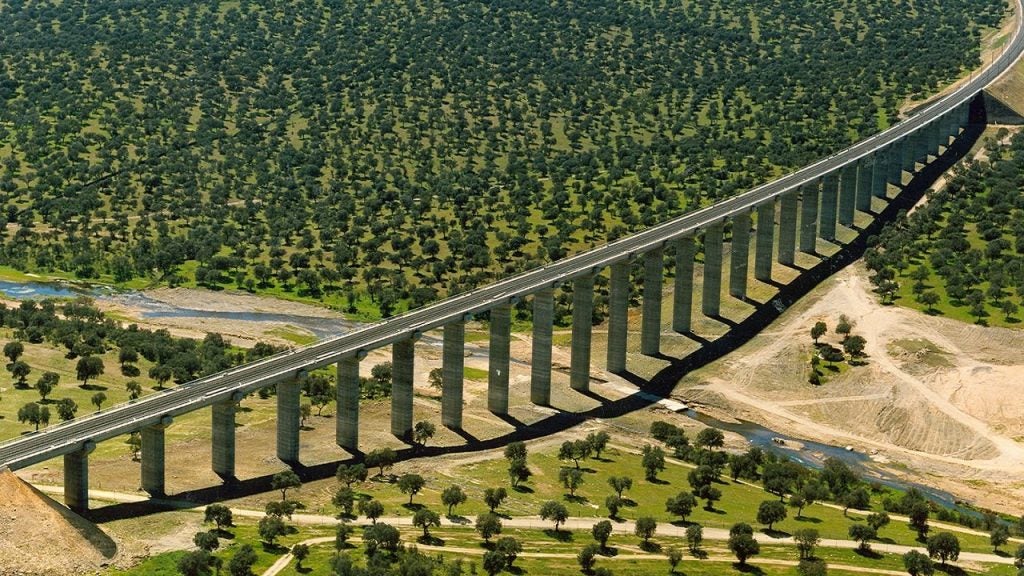
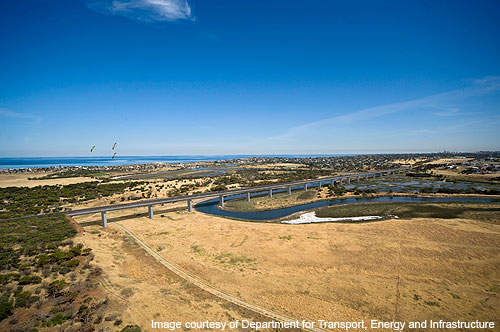
Bridges were constructed over the track at Goldsmith Drive, Seaford Road and Lynton Terrace. A 1.2km rail bridge over Onkaparinga Valley and a bridge over Old Honeypot Drive were also built as part of the project. The Onkaparinga Valley Bridge is the longest bridge in the state with 21 spans located 53m apart. New access and footbridges for cyclists and pedestrians were also built.
The rail line is electrified with a 25kV traction power system.
Construction
Pre-construction works started in September 2009. The works involved construction of a 1.2km viaduct over the Onkaparinga River and also railway stations at Seaford Meadows and the Seaford Terminus.
Drilling works were carried out along the rail corridor in 50 locations. Deep holes of 20m were drilled to investigate the best spots for the track to be built.
A road bridge at Goldsmith Drive and Noarlunga Centre formed part of the pre-construction work. Drainage upgrades were carried out at the south of Seaford Road.
Work on the new railway bridge over the Old Honeypot Road commenced in May 2011.
As of September 2011, half of the earthworks have been completed with more than 6,000m³ of earth being moved each day. Works on the Seaford Road and Old Honeypot Road bridges were completed by the end of 2011.
The Onkaparinga Valley Bridge has 35 piers placed at a height of 22m at the northern end and 13m at the southern end. The bridge is expected to have a life of 150 years.
Contractors
In October 2010, the South Australian Department for Transport, Energy and Infrastructure awarded Thiess MacDow joint venture the contract for design and construction of the rail link. The joint venture consists of McConnell Dowell Constructors and Thiess.
Parsons Brinckerhoff, Aurecon, Sinclair Knight Mertz and Hassell are responsible for the project design.
In August 2009, engineering firm KBR was awarded the contract for planning, design and environmental assessment as part of the preconstruction works. The geo-technical works were carried out by the engineering firm URS.